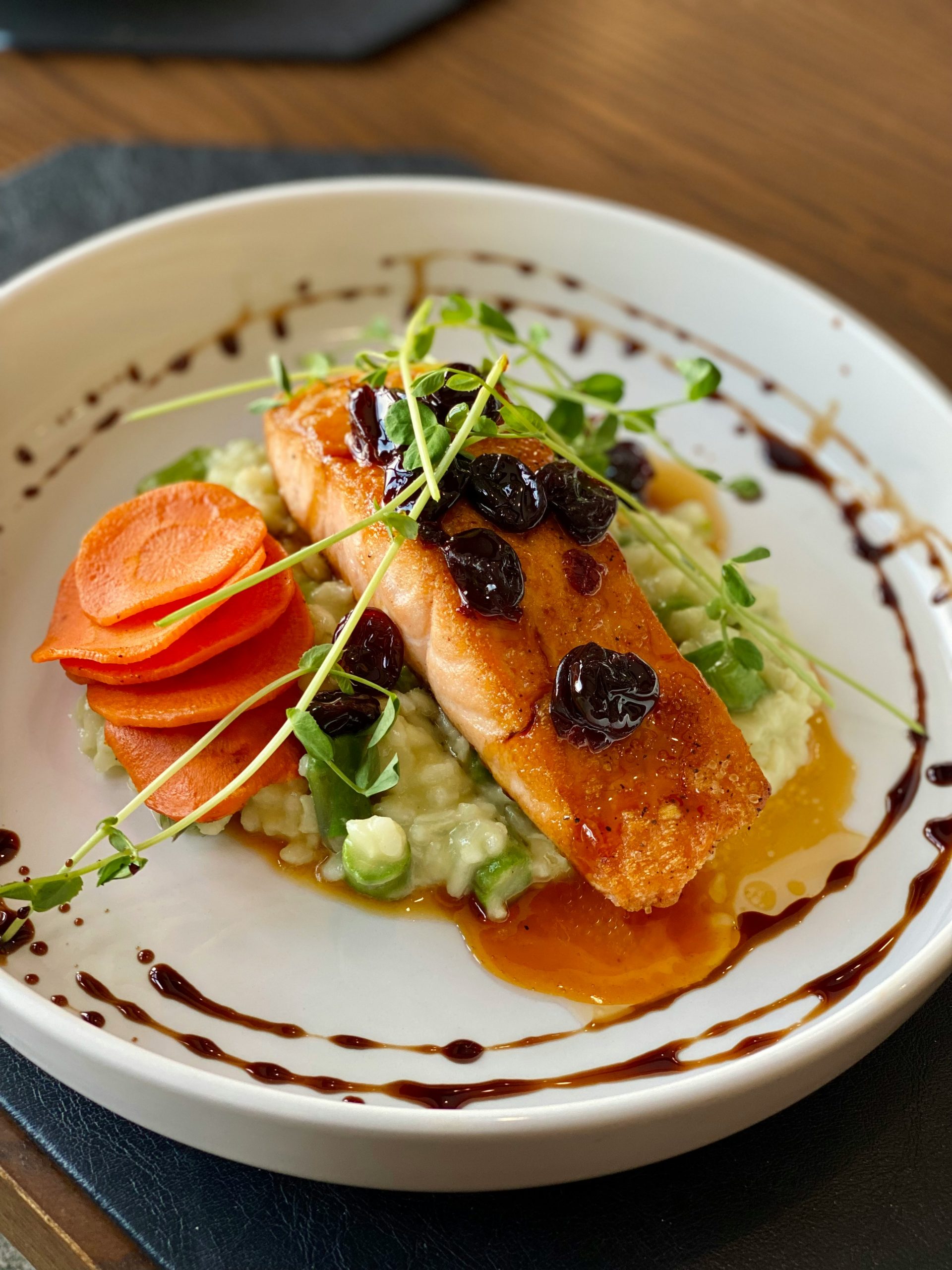
 We’ll be upfront: we’re not here to be preachy about your eating habits. But if you’re curious about what actually happens to your body when you swap the steak for salmon on a regular basis — the research is pretty compelling. Let’s get into it.
Your Heart Gets a Major Upgrade
Omega-3 fatty acids are the rockstars of the pescetarian diet, and your heart knows it. Found in abundance in oily fish like salmon, mackerel, sardines, and herring, omega-3s have been shown to reduce triglycerides (a type of blood fat linked to heart disease), lower blood pressure, reduce inflammation, and decrease the risk of arrhythmias (irregular heartbeat).
The American Heart Association recommends eating fish — particularly oily fish — at least twice a week for good reason. Pescetarians tend to hit that target easily and often exceed it, which may explain why studies consistently show lower rates of cardiovascular disease in people who follow this kind of diet.
Your Brain Stays Sharper for Longer
Here’s something wild: your brain is about 60% fat, and a big chunk of that fat is DHA — a type of omega-3 that your body can’t produce on its own. You have to get it from food. And the best food source? You guessed it. Fish.
DHA is critical for brain function, memory, and mood regulation. Research suggests that higher fish consumption is associated with a lower risk of cognitive decline and dementia as we age. It’s also linked to lower rates of depression — with some studies showing that populations who eat more fish report better mental health outcomes overall.
In other words: eating more fish might literally make you smarter and happier. That feels like a good deal.
You’re Getting High-Quality Protein Without the Baggage
Fish is a complete protein source — meaning it contains all the essential amino acids your body needs. It’s also generally lower in saturated fat than red meat, which is the type of fat linked to raised cholesterol and heart disease.
Shellfish like shrimp and mussels are particularly impressive from a nutritional standpoint — low in calories, high in protein, and loaded with micronutrients like zinc, selenium, and iodine that a lot of people don’t get enough of.
Your Gut Will Be Happier
Pescetarian diets tend to be high in fibre-rich plant foods — vegetables, legumes, wholegrains, and fruit — alongside all that lovely seafood. This combination is a dream for your gut microbiome: the ecosystem of bacteria in your digestive system that influences everything from immunity to mood to weight management.
Studies have found that plant-forward diets lead to greater gut microbial diversity, which is essentially the gold standard of gut health. Add in the anti-inflammatory benefits of omega-3s and you’ve got a dietary pattern your digestive system will genuinely enjoy.
It Can Support a Healthy Weight
Pescetarians tend to have lower BMIs on average than meat-eaters, according to population studies. This isn’t magic — it’s likely the result of eating more whole plant foods, getting high-quality protein that keeps you full, and cutting out processed meats and high-fat animal products.
Fish and seafood are also generally very satiating despite being relatively low in calories. A portion of grilled cod or a prawn stir-fry with vegetables will keep you full for hours without overloading on calories.
Key Vitamins and Minerals You’re Stacking Up
A well-planned pescetarian diet is a treasure chest of micronutrients:
- Vitamin D — found in salmon and mackerel, crucial for bone health, immune function, and mood (and most of us are deficient)
- Vitamin B12 — essential for nerve function and energy, found almost exclusively in animal products; fish and eggs are excellent sources
- Iodine — vital for thyroid function; seafood is one of the best dietary sources
- Selenium — a powerful antioxidant found in fish and shellfish
- Iron and Zinc — particularly well-sourced from shellfish like oysters and mussels
A Word of Balance
No diet is perfect, and it’s worth mentioning that some fish can contain mercury (particularly large predatory fish like swordfish and king mackerel). Pregnant women and young children should pay particular attention to this. For most healthy adults eating a varied range of fish, it’s not a significant concern — but variety really is key. Don’t eat the same fish every single day.
The takeaway? A pescetarian diet, done well, is one of the most nutrient-dense, health-supportive ways to eat. It’s not a silver bullet — no diet is — but the evidence stacking up in its favour is hard to ignore.
Now go make yourself something delicious.