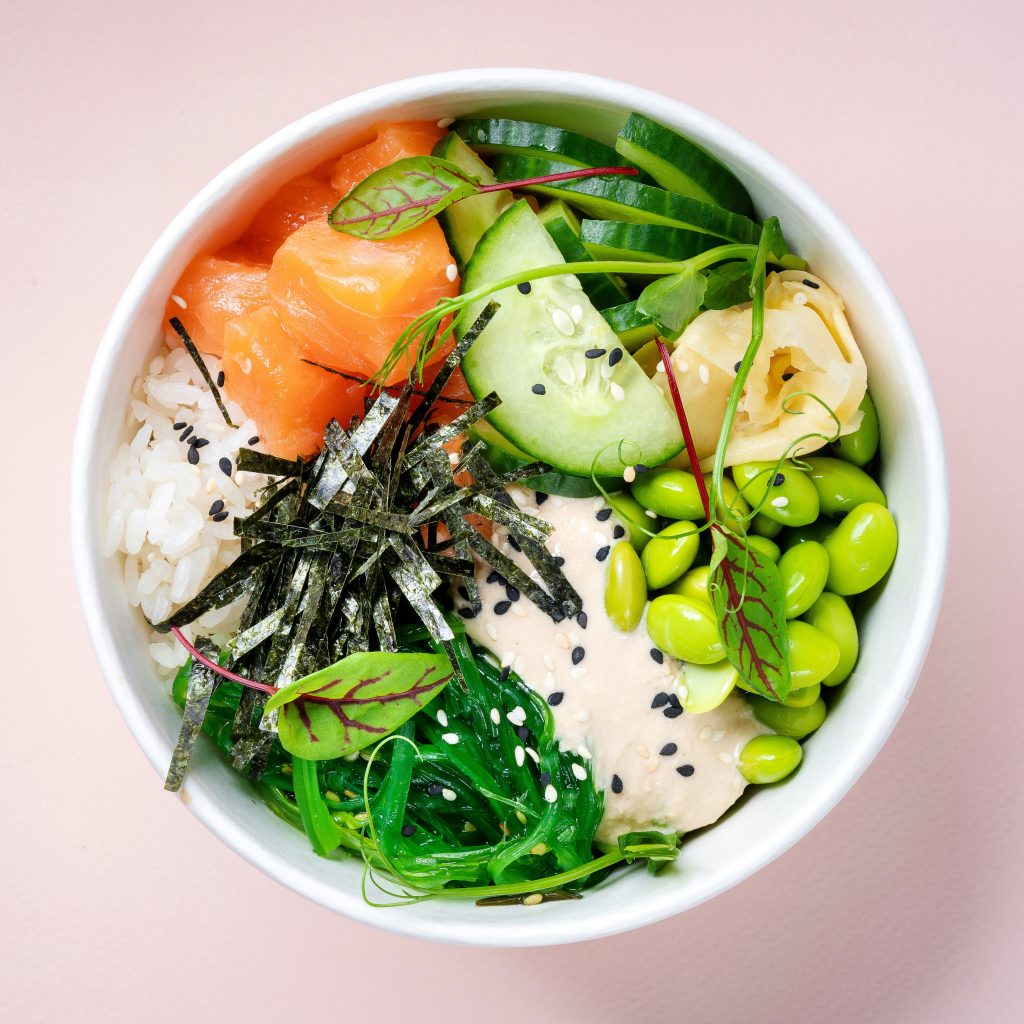
One of the most common questions people ask when considering a pescetarian diet is: will I get enough protein? The short answer is yes, absolutely — and often more easily than you might think. Fish and seafood are complete protein sources, meaning they contain all the essential amino acids your body needs. Layer in eggs, legumes, and dairy and you’ve got a protein-rich diet covered from every angle.
Here are some of the best high-protein pescetarian meals to keep you fuelled, satisfied, and building or maintaining muscle effectively.
Understanding Protein in a Pescetarian Diet
For context, here’s a quick look at how much protein you’re working with:
- Salmon (100g): ~25g protein
- Tuna, tinned (100g): ~25g protein
- Prawns (100g): ~24g protein
- Cod (100g): ~20g protein
- Mussels (100g): ~18g protein
- Eggs (2 large): ~13g protein
- Greek yoghurt (200g): ~20g protein
- Lentils, cooked (200g): ~18g protein
A single salmon fillet plus a side of lentils and a couple of eggs across the day gets most people comfortably to their daily protein target. Let’s turn that into some actual meals.
High Protein Meal 1: Tuna & Lentil Power Bowl
This is the kind of meal that keeps you full for hours. Cook lentils with a bay leaf and garlic until tender. Drain tinned tuna. Assemble in a bowl with roasted sweet potato, sliced avocado, cherry tomatoes, and a tahini dressing. Finish with pumpkin seeds for extra crunch and protein. Simple, filling, and genuinely delicious.
Approximate protein: ~45g per serving
High Protein Meal 2: Salmon & Egg Breakfast Bowl
Don’t limit salmon to dinner. Scramble 3 eggs with smoked salmon, spinach, and a little cream cheese. Serve over a base of quinoa (another complete protein) with avocado and cherry tomatoes. This is the kind of breakfast that carries you through to mid-afternoon without a single hunger pang.
Approximate protein: ~40g per serving
High Protein Meal 3: Prawn & Chickpea Curry
Fry onion, garlic, and curry powder in oil until fragrant. Add a tin of chickpeas and a tin of tomatoes. Simmer for 10 minutes. Add prawns and cook for 3-4 minutes until pink. Serve with Greek yoghurt stirred through at the end (adds creaminess and extra protein) and wholegrain rice or naan.
Approximate protein: ~42g per serving
High Protein Meal 4: Baked Cod with White Bean Mash
Bake cod fillets with lemon, olive oil, and herbs. While they cook, drain and warm a tin of cannellini beans in a pan with garlic, olive oil, and a splash of vegetable stock. Mash roughly — you want some texture — and season well. Serve the cod on top of the bean mash with wilted spinach on the side. Elegant, protein-packed, and ready in 20 minutes.
Approximate protein: ~48g per serving
High Protein Meal 5: Greek-Style Mackerel Salad
Flake smoked mackerel fillets over a base of mixed leaves, cucumber, cherry tomatoes, red onion, and olives. Add a generous amount of crumbled feta. Dress with olive oil and lemon. Top with a hard-boiled egg. This is a no-cook meal that comes together in 10 minutes and hits protein goals impressively.
Approximate protein: ~38g per serving
Tips for Maximising Protein on a Pescetarian Diet
- Always pair fish with a plant-based protein source (lentils, beans, edamame, quinoa) to stack up your totals
- Keep tinned fish, eggs, and Greek yoghurt stocked at all times — they’re the quickest protein hits available
- Don’t underestimate shellfish — mussels, prawns, and oysters are extremely high in protein relative to their calories
- Add seeds (hemp, pumpkin, sunflower) to salads and bowls for an easy protein and nutrient boost
- Greek yoghurt as a sauce base (mixed with garlic, lemon, and herbs) adds protein to any meal without any extra effort
Getting enough protein on a pescetarian diet isn’t just possible — it’s easy once you know what to lean on. The variety of protein sources available actually makes it more nutritionally interesting than a standard meat-based diet.
Check out our 7-day pescetarian meal plan for more high protein meal ideas.
For more recipe inspiration visit BBC Good Food‘s pescatarian collection.