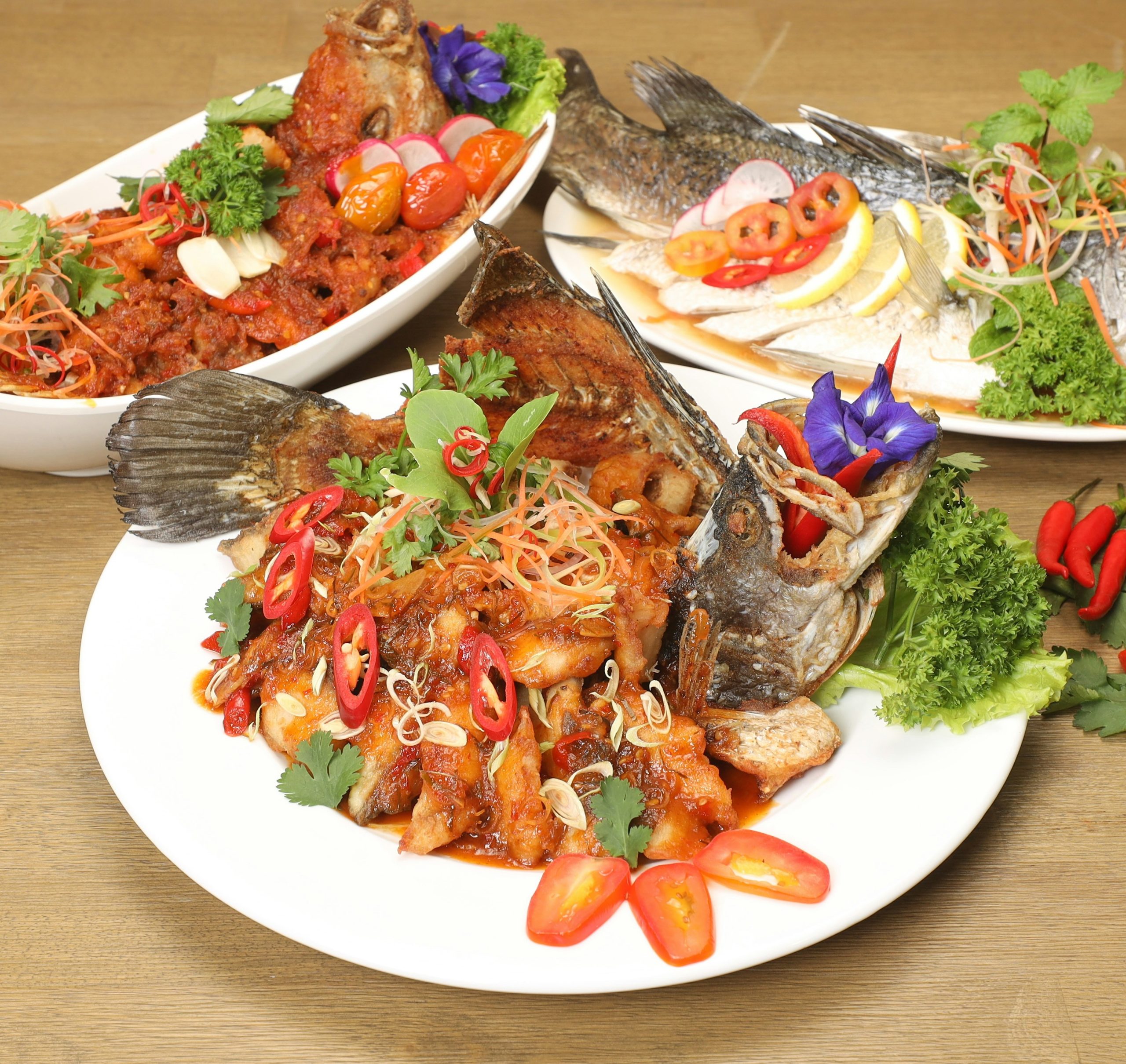
 So you’ve been asking yourself — what is pescetarianism exactly? So you’ve heard the word pescetarian floating around and thought — is that just a fancy way of saying you really like sushi? Kind of! But there’s a bit more to it, and honestly, it’s one of the most delicious dietary choices you can make.
The Simple Version
A pescetarian (sometimes spelled pescatarian — both are fine, don’t let anyone tell you otherwise) is someone who doesn’t eat meat or poultry, but does eat fish and seafood. Think of it as vegetarianism’s coastal cousin. You’re still ditching the burgers and chicken wings, but the ocean? The ocean is your oyster. Literally.
So What Can You Actually Eat?
The pescetarian plate is genuinely exciting. Here’s what’s on the menu:
- All types of fish — salmon, tuna, cod, sardines, mackerel, sea bass… the list goes on
- Shellfish and seafood — shrimp, crab, lobster, mussels, clams, scallops
- Eggs and dairy (most pescetarians include these, but it’s your call)
- All fruits, vegetables, legumes, grains, nuts, and seeds
- Plant-based proteins like tofu, tempeh, and lentils
What’s off the table? Red meat (beef, pork, lamb) and poultry (chicken, turkey, duck). That’s really it. Not exactly a hardship when you’ve got a gorgeous piece of pan-seared salmon waiting for you.
Why Do People Go Pescetarian?
People come to pescetarianism for all sorts of reasons, and there’s no wrong answer:
Health reasons
Fish is packed with omega-3 fatty acids, lean protein, and vitamins like D and B12. It’s the kind of food that makes your doctor nod approvingly. Research consistently links regular fish consumption with better heart health, improved brain function, and reduced inflammation. (We’ll go deep on this in our Health Benefits article — stay tuned.)
Environmental concerns
The environmental impact of meat production — particularly beef — is enormous. Many people go pescetarian as a meaningful step toward reducing their carbon footprint without going full vegan. Sustainably sourced seafood can be a much lighter option for the planet.
It just tastes incredible
Let’s be honest. A prawn linguine, a fish taco with mango salsa, or a Japanese-style grilled mackerel? Few things in life hit quite like that. Some people become pescetarian purely because they love seafood and could take or leave a steak.
Is It Hard to Start?
Honestly? Pescetarianism is one of the most beginner-friendly dietary shifts you can make. Unlike going full vegan, you’re not overhauling everything at once. Most restaurants have fish options. Most supermarkets are very well stocked with seafood. And the learning curve in the kitchen is pretty gentle — fish cooks faster than meat, which means weeknight dinners just got a whole lot quicker.
The main thing to get comfortable with is variety. A lot of first-timers lean heavily on salmon (guilty as charged, salmon is amazing), but the whole world of seafood is waiting for you. Mussels, sardines on toast, a classic prawn stir-fry — let yourself explore.
A Quick Note on Sustainability
Not all seafood is created equal when it comes to the environment. Overfishing is a real issue, and some fishing methods cause more damage than others. The good news? It’s easy to make smart choices once you know what to look for — we’ll cover this in depth in our sustainable fish guide. For now, a simple rule of thumb: look for MSC-certified (Marine Stewardship Council) labels at the fish counter, and you’re off to a great start.
The Bottom Line
Pescetarianism is flexible, delicious, health-conscious, and kinder to the planet than a meat-heavy diet. Whether you’re dipping a toe in (pun absolutely intended) or ready to dive headfirst into the deep end, this is one lifestyle change that pays off on every level — on your plate, in your body, and for the world around you.
Welcome to the club. The chowder’s lovely.